
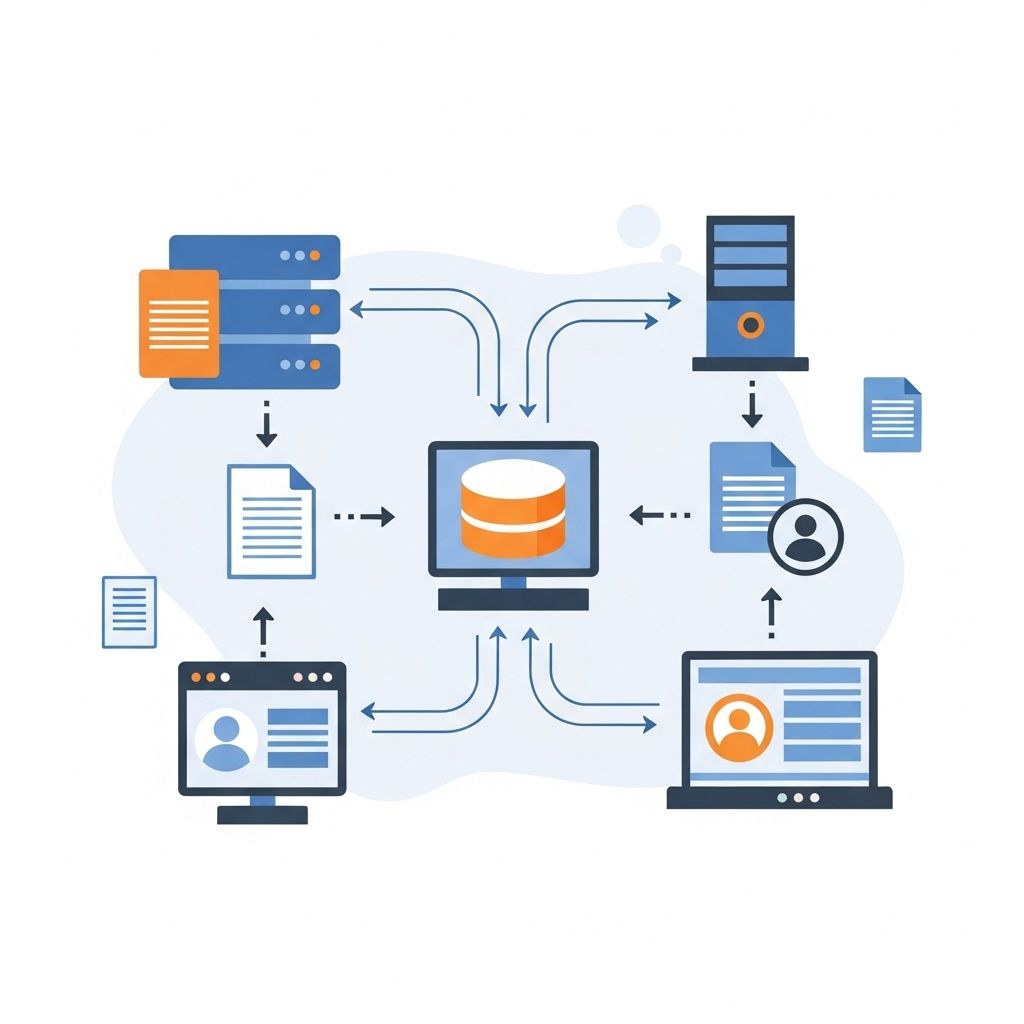
The DPIA Research repository promotes transparent, high-quality academic study on Data Protection Impact Assessments. A Data Protection Impact Assessment (DPIA) is a key accountability tool under the GDPR, designed to assess and mitigate risks associated with data processing activities that are likely to result in a high risk to individuals’ rights and freedoms. When producing a DPIA you must consider both operational and governance functions of the DPIA, in order to ensure compliance while promoting transparency and accountability.
Access curated materials to deepen your understanding of privacy governance and risk assessment.

Briefly explain what personal data is processed, why it’s needed, who it concerns, and whether any third parties are involved.

Assess if the processing is essential for its purpose and ensures minimal intrusion on individuals’ rights.

Identify possible risks to data subjects, such as unauthorized access, data breaches, or misuse of data, considering their likelihood and impact.

Outline steps to reduce risks, including technical and organizational controls like encryption, limited access, and staff training, following data protection by design and by default.
These components ensure that the DPIA process is aligned with broader compliance, accountability, and oversight mechanisms.
A well-conducted DPIA is not just a compliance requirement; it is a strategic tool for managing data protection risks and demonstrating accountability. By integrating both operational and governance elements, organizations can ensure that personal data processing aligns with legal, ethical, and risk management best practices.